Hey there, fellow specs nerds and procurement folks! Let’s cut to the chase for a sec—if you’re here, you’ve probably got a thermal overload protector (TOL) on your workbench or in your cart, and you’re staring at that random enclosure that came with it, thinking, “Wait, is this even right?” Been there, done that, spilled 90-degree plastic on my laptop when I grabbed the wrong box last quarter. As someone who’s been selling TOLs for 7 years—yep, I’ve messed up my fair share of enclosure suggestions, so trust the chaos I’ve lived here. Thermal Overload Protectors
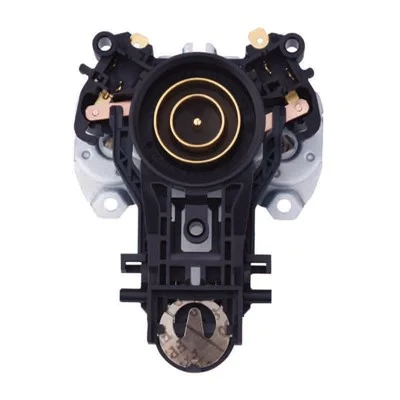
First off, let’s get one thing straight: picking an enclosure for a TOL isn’t just about shoving the part in a case. If you get this wrong, you’re either frying the protector before it does its job, or it’s triggering randomly in the middle of a plant shutdown that costs you $10k an hour. That’s not hyperbole—last year, a guy in automotive manufacturing texted me at 2 a.m. because his assembly line went down and the culprit was a TOL in a watered enclosure. Oops. Let’s break this down like we’re geeking out over circuit boards and weather ratings, not some fancy whitepaper.
First step: Know your TOL’s actual specs—no guessing here. This is the part where I used to skip over and regretted it hard. Every TOL has a max operating temp range, amp draw, and voltage rating, right? But here’s the tea: the enclosure’s material and internal space directly impact how well the TOL can dissipate heat. If your TOL is a 50A, 480V model that’s rated for -20°F to 150°F, the enclosure can’t be something that traps every bit of heat it puts out. I once had a customer use a thin aluminum box for a 75A TOL on a conveyor motor—within a month, the protector was tripping at half the load because the aluminum was too thin and couldn’t pull heat away fast enough. Turned out, the enclosure needed thicker walls or a vented side. So before you even look at enclosures, grab that TOL’s spec sheet and circle three numbers: continuous operating temp, max amp draw, and any special environmental requirements (like constant moisture or dust from lumber mills). That non-negotiable.
Next, think about where this whole thing is living. I call this the “environment audit” and it’s way more fun than it sounds (okay, maybe not, but necessary). Outdoor use? Think HVAC units, security camera power systems, or street light controllers—you need an enclosure rated for NEMA 3R or IP65. Wait, what’s the difference, I hear you? NEMA 3R is rainproof from top, keeps snow out, but not totally dust tight. IP65 is dust-tight and water jets-proof—so if your unit’s hosed down regularly (like a food processing plant), go IP65. Indoor? If it’s a control panel in a dry warehouse, a standard ABS plastic box works fine. But if it’s near a welding station or a dusty sawmill? NEMA 12—dust-tight, oil-resistant. I had a logging equipment customer a couple years back who used a cheap plastic box for a TOL on a saw blade motor. Sawdust got in, built up, and the TOL overheated because the dust was acting like an insulator. Switched to a NEMA 12 steel box with gaskets, no more issues. Pro tip here: if you’re in a super hot spot (like a rooftop in Arizona in July), skip the black enclosures—they absorb heat. Go light gray or white, even if it’s steel. Small change, big difference.
Then there’s size. I know, I know—everyone wants to cram stuff in to save space. But here’s the rule I live by: leave at least 20% extra space inside the enclosure. Why? Because the TOL needs room to breathe. If you stuff it so tight that the wires are touching the protector’s case or the enclosure walls, that’s extra heat trapped. I had a customer once who tried to save $5 on a smaller enclosure for a 10A TOL. The TOL was so squished that when the motor drew extra current, it couldn’t cool down fast enough, so it burned out instead of tripping. Cost them a new motor and 8 hours of downtime. Ouch. Also, don’t forget the wire entry points—make sure the enclosure has enough knockouts (or threaded holes) for the incoming and outgoing wires, and maybe even strain reliefs if it’s in a vibrating spot (like machinery). No one’s got time for wires pulling loose because the enclosure only has one tiny hole.
Material matters way more than most people think. I’ve had customers ask, “Can I use a random old plastic box from a hobby project?” No. Unless that hobby project is rated for industrial use. Plastic enclosures (ABS, polycarbonate) are cheap, light, and good for low-heat, dry environments. But if your TOL is handling over 50A? Plastic might not dissipate heat well. Go steel—galvanized steel for corrosion resistance, or stainless steel if it’s near saltwater (like a marina or coastal power plant). I learned this the hard way when I sold a batch of TOLs with thin steel enclosures to a boat yard. The salt air corroded the steel, the gasket broke, and water got in. Switched to 304 stainless, no more rust issues. Also, stainless is a bit more expensive upfront, but it lasts 10x longer—worth it if it’s in a harsh environment.
Wait, what about special features? If your TOL is on something that vibrates a lot (like farm equipment or industrial pumps), get an enclosure with mounting tabs so you can secure the TOL firmly inside—no sliding around, no broken connections. If you need to check if the TOL tripped without opening the enclosure, get one with a transparent cover. Last year, a guy in packaging told me that opening enclosures on a moving line meant downtime—transparent covers let his techs spot a tripped TOL in 2 seconds. Win. Another thing: if you’re in a area with frequent power surges, maybe add a surge protector module inside the enclosure, but that’s a secondary thing—make sure the main enclosure fits both the TOL and the surge module.
Now, let’s talk about mistakes I’ve seen (and made) so you don’t do ’em. Mistake 1: Guessing the temp rating. Never. Always check the TOL’s max temp and make sure the enclosure can handle at least that, plus 10% extra (just in case). Mistake 2: Under-sizing to save cash. We all love saving a buck, but enclosure failure is way more expensive. Mistake 3: Ignoring environmental gaskets. If your enclosure is rated for dust/water, make sure the gasket is intact and not cracked. A $0.50 gasket saves you from thousands in damage. Mistake 4: Forgetting wire capacity. If the enclosure is too small for the wires, you’ll have to cram them, which causes heat buildup.
So, to recap your quick checklist: 1. Pull your TOL’s spec sheet (amp, voltage, temp range). 2. Audit the environment (outdoor? dusty? wet? vibrating?). 3. Pick material (plastic for dry/low amp, steel/stainless for harsh/high amp). 4. Size with 20% extra space, enough knockouts/wire room. 5. Add features if you need ’em (transparent cover, mounting tabs, etc.).
At the end of the day, the right enclosure is all about matching the protector to its home—no one-size-fits-all here. If you’re still second-guessing, don’t overthink it. We’ve built, tested, and supplied TOLs and matching enclosures for every kind of application, so we can walk you through it step by step. Just reach out whenever, no awkward sales pitches—we’ll send you the right specs, no hidden fees, no confusion. Need a quick quote? Want to confirm if your current setup works? Hit us up. We get it—getting this right keeps your machines running, your lines up, and your stress low.
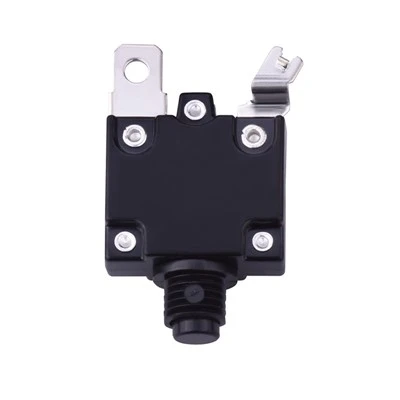
Thanks for hanging out with me through this chaos. Go check that TOL enclosure, and if it’s giving you trouble, we’re here.
Thermal Overload Protectors References
- NEMA Standards Publication 250, Enclosures for Electrical Equipment (1000 Volts Maximum)
- International Electrotechnical Commission (IEC) Standard 60529, Degrees of Protection Provided by Enclosures (IP Code)
- Association of Electrical and Medical Imaging (AAMI) Environmental Standards for Industrial Electrical Components
- Underwriters Laboratories (UL) 50E, Enclosures for Electrical Equipment for Use in Hazardous (Classified) Locations
Yueqing Ganen Electronic Technology Co., Ltd.
As one of the most professional thermal overload protectors manufacturers and suppliers in China, we also support customized service. Please feel free to wholesale advanced thermal overload protectors in stock here from our factory. Welcome to contact us for quotation.
Address: No.6 yonghe 3rd Road, Chengdong Industrial Functional Zone, Chengdong Street, Yueqing City, Wenzhou City, Zhejiang Province, China.
E-mail: daiaohui@163.com
WebSite: https://www.ganensj.com/
