Hey there, sailing enthusiasts! I’m a supplier of high abrasion resistant fabric, and I’ve been in this game for quite a while. Today, I wanna chat about what it takes to make high-quality sail fabric that can stand up to the tough conditions out on the water. High Abrasion Resistant Fabric
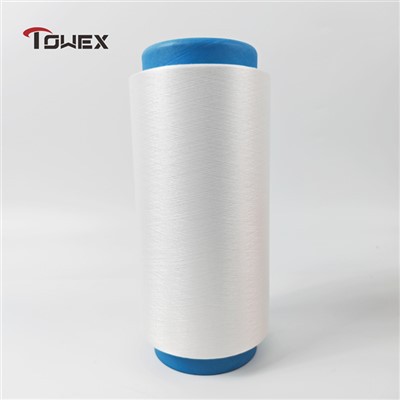
First off, let’s talk about why abrasion resistance is such a big deal in sail-making. Sails are constantly rubbing against masts, booms, and rigging. They’re also exposed to the rough surface of the water, especially in choppy seas. All this rubbing and scraping can quickly wear down a sail, reducing its lifespan and performance. That’s where high abrasion resistant fabric comes in.
Strength of the Fibers
One of the most important requirements for high abrasion resistant sail fabric is the strength of the fibers. The fibers used in the fabric need to be strong enough to withstand the forces applied to the sail. Synthetic fibers like polyester, nylon, and aramid are commonly used in sail-making because they’re incredibly strong.
Polyester is a popular choice because it’s relatively inexpensive, lightweight, and has good abrasion resistance. It’s often used in the construction of cruising sails, which need to be durable but don’t require the highest level of performance. Nylon, on the other hand, is even stronger than polyester and has excellent stretch properties. It’s often used in spinnakers and other lightweight sails that need to be able to expand and contract without tearing.
Aramid fibers, such as Kevlar, are some of the strongest fibers available. They’re incredibly resistant to abrasion, cuts, and punctures, making them ideal for high-performance racing sails. However, aramid fibers are also more expensive than polyester and nylon, so they’re not always the most cost-effective option.
Weave Pattern
Another important factor in abrasion resistance is the weave pattern of the fabric. The way the fibers are woven together can have a big impact on how well the fabric stands up to wear and tear. A tight weave pattern, where the fibers are closely packed together, generally provides better abrasion resistance than a loose weave.
There are several different types of weave patterns used in sail-making, including plain weave, twill weave, and satin weave. Plain weave is the simplest and most common weave pattern. It consists of a single weft thread passing over and under a single warp thread. This creates a strong, stable fabric that’s relatively easy to manufacture.
Twill weave is a more complex weave pattern that creates a diagonal pattern on the surface of the fabric. Twill weave fabrics are generally more flexible and have better drape than plain weave fabrics. They also tend to be more resistant to abrasion because the diagonal pattern helps to distribute the forces applied to the fabric more evenly.
Satin weave is a smooth, shiny weave pattern that’s often used in high-performance sails. Satin weave fabrics have a very tight weave, which makes them extremely resistant to abrasion. However, they’re also more expensive and less breathable than plain weave and twill weave fabrics.
Coating and Treatments
In addition to the strength of the fibers and the weave pattern, the coating and treatments applied to the fabric can also have a big impact on its abrasion resistance. Coatings can help to protect the fabric from the elements, such as UV rays, water, and salt. They can also improve the fabric’s durability and reduce friction.
One of the most common coatings used in sail-making is a polyurethane (PU) coating. PU coatings are waterproof, UV-resistant, and have good abrasion resistance. They’re often applied to the surface of the fabric in multiple layers to provide maximum protection.
Another type of coating that’s commonly used in sail-making is a silicone coating. Silicone coatings are extremely slippery, which helps to reduce friction between the sail and the rigging. They also have good UV resistance and are relatively easy to apply.
In addition to coatings, there are also several treatments that can be applied to the fabric to improve its abrasion resistance. For example, some fabrics are treated with a resin to make them more rigid and less prone to stretching. Others are treated with a flame retardant to make them safer in case of a fire.
Weight and Flexibility
While abrasion resistance is important, it’s not the only factor to consider when choosing sail fabric. The weight and flexibility of the fabric are also important, especially for racing sails. A heavy sail can slow down a boat, while a stiff sail can be difficult to handle.
High abrasion resistant fabrics can be heavy and stiff, which can be a disadvantage in some situations. However, advances in materials technology have made it possible to produce high abrasion resistant fabrics that are both lightweight and flexible. For example, some aramid fibers are now available in a lightweight, high-strength form that’s ideal for racing sails.
Color Stability
Color stability is another important requirement for sail fabric. Sails are often exposed to the sun’s UV rays for long periods of time, which can cause the color to fade. A faded sail not only looks bad, but it can also be a sign of damage to the fabric.
High abrasion resistant fabrics should have good color stability to ensure that they maintain their appearance over time. This can be achieved through the use of UV-resistant dyes and pigments, as well as coatings and treatments that protect the fabric from the sun’s rays.
Compatibility with Rigging
Finally, high abrasion resistant sail fabric needs to be compatible with the rigging on the boat. The fabric needs to be able to move freely against the masts, booms, and rigging without causing excessive wear or damage.
Some rigging systems require specialized sail fabric that’s designed to work with the specific hardware and components. For example, some racing boats use a roller furling system that requires a sail fabric that’s flexible and easy to roll up.
In conclusion, there are several important requirements for high abrasion resistant fabric in sail-making. The fabric needs to be strong, have a tight weave pattern, be coated and treated to protect it from the elements, be lightweight and flexible, have good color stability, and be compatible with the rigging on the boat.
If you’re in the market for high abrasion resistant sail fabric, I’d love to talk to you. As a supplier, I have a wide range of fabrics available that meet all these requirements. Whether you’re building a cruising sail or a high-performance racing sail, I can help you find the right fabric for your needs. Just reach out, and we can start discussing your project.
High Abrasion Resistant Fabric References
- Miller, J. (2020). Advanced Materials in Marine Industry. Marine Tech Press.
- Smith, A. (2018). The Science of Sailing. Ocean Books.
- Johnson, R. (2019). Textile Technology for Outdoor Applications. Fabric Studies Institute.
Jiaxing Towex New Materials Co., Ltd.
Jiaxing Towex New Materials Co., Ltd. is one of the most experienced high abrasion resistant fabric manufacturers and suppliers in China, also supports customized service with low price. Please feel free to buy bulk high quality high abrasion resistant fabric in stock here from our factory. Contact us for quotation.
Address: Building 1666, Wuzhen High-tech Zone, Tongxiang City, Zhejiang Province
E-mail: sales@towextech.com
WebSite: https://www.topuhmwpe.com/
