Hey there! I’m here as a supplier of smart valve controllers, and today I wanna chat about how these nifty devices work. Smart Valve Controller
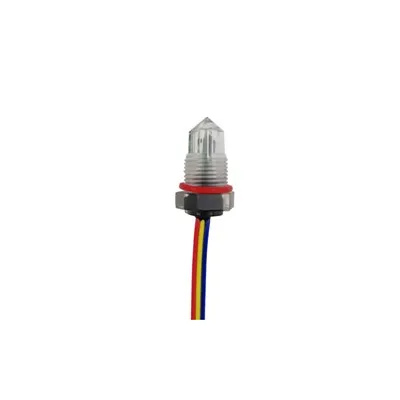
Let’s start with the basics. A smart valve controller is like the brain behind a valve system. It’s designed to manage and control the operation of valves in a more efficient and intelligent way compared to traditional methods.
What is a Valve and Why Control It?
First off, what’s a valve? A valve is a device that regulates, directs, or controls the flow of a fluid (like water, gas, or oil) by opening, closing, or partially obstructing various passageways. In industries like manufacturing, energy production, water treatment, and building automation, valves play a crucial role. By controlling the flow of fluids, we can ensure that processes run smoothly, safely, and with the right amount of resources.
Traditional valve control methods were often manual or relied on simple mechanical devices. But as technology advanced, the need for more precise, automated, and data – driven control systems became evident. That’s where smart valve controllers come in.
Components of a Smart Valve Controller
A smart valve controller typically consists of a few key components.
The first is the microcontroller. This is the heart of the device. It’s a small computer on a single integrated circuit. The microcontroller runs the control algorithms, processes data, and makes decisions based on the input it receives. It’s like the little genius in charge, constantly analyzing what’s going on and deciding how to adjust the valve.
Next up is the sensor module. Sensors are super important in a smart valve controller. There are different types of sensors used, depending on what you’re trying to measure. For example, flow sensors can measure the rate at which the fluid is flowing through the valve. Pressure sensors can detect the pressure of the fluid. Temperature sensors can monitor the temperature of the fluid. These sensors send real – time data to the microcontroller.
The actuator is another vital component. The actuator is responsible for actually moving the valve. When the microcontroller decides that the valve needs to be opened, closed, or adjusted, it sends a signal to the actuator. The actuator then uses mechanisms like electric motors, pneumatic cylinders, or hydraulic systems to move the valve to the desired position.
There’s also the communication interface. This allows the smart valve controller to connect with other devices in the system. It can communicate with a central control system, a monitoring station, or even other smart devices in the industrial network. Common communication protocols include Modbus, Profibus, and Ethernet. Through this communication, the controller can receive commands from the central system and send back data about the valve’s status.
How It Works in a Step – by – Step Manner
Let’s break down the operation of a smart valve controller into a few simple steps.
First, the sensors start doing their job. The flow sensor measures the flow rate of the fluid passing through the valve, the pressure sensor keeps an eye on the pressure, and the temperature sensor checks the temperature. This data is continuously collected and sent to the microcontroller.
The microcontroller then takes this data and processes it. It compares the current readings with the setpoints. Setpoints are the desired values for things like flow rate, pressure, or temperature. For example, if the setpoint for the flow rate is 100 liters per minute and the sensor reports a flow rate of 80 liters per minute, the microcontroller knows that the valve needs to be adjusted to increase the flow.
Based on this analysis, the microcontroller decides what action to take. It then sends a control signal to the actuator. If it needs to increase the flow, it might tell the actuator to open the valve a bit more. The actuator receives the signal and uses its power source (like an electric motor) to move the valve to the new position.
As the valve is adjusted, the sensors keep measuring the new flow rate, pressure, and temperature. They send this updated data back to the microcontroller. The microcontroller then repeats the process of comparing the new readings with the setpoints and making further adjustments if necessary. This is a continuous feedback loop that ensures the valve is always operating at the optimal level.
Advantages of Using a Smart Valve Controller
One of the biggest advantages is the precision it offers. Traditional valve control methods often had a hard time achieving very accurate flow rates or pressures. With a smart valve controller, you can get within a very small margin of error. This is crucial in industries where even a small variation in fluid flow can have a big impact on the final product or process.
Another advantage is the ability to automate processes. Once you set the right setpoints, the smart valve controller can operate 24/7 without the need for constant manual monitoring. This reduces labor costs and improves the overall efficiency of the system.
Smart valve controllers also offer excellent data collection and analysis capabilities. You can keep track of historical data about flow rates, pressures, and valve positions. This data can be used for predictive maintenance. For example, if you notice that the valve is starting to take longer to open or close, it could be a sign of wear and tear. You can then schedule maintenance before a major breakdown occurs.
Real – World Applications
In the water treatment industry, smart valve controllers are used to control the flow of water through different treatment stages. They ensure that the right amount of chemicals are added at the right time and that the water pressure is maintained at a safe and efficient level.
In the energy sector, especially in oil and gas pipelines, smart valve controllers play a crucial role. They can control the flow of oil or gas, prevent leaks, and adjust the pressure in the pipeline to ensure safe and efficient transportation.
In building automation, these controllers are used to manage the heating, ventilation, and air – conditioning (HVAC) systems. They can adjust the flow of hot or cold water to different parts of the building based on the temperature and occupancy, which helps to save energy and keep the occupants comfortable.
Conclusion
Smart valve controllers are really amazing devices. They bring a whole new level of efficiency, precision, and automation to valve control systems. With their ability to process real – time data, make smart decisions, and communicate with other devices, they’re changing the game in many industries.
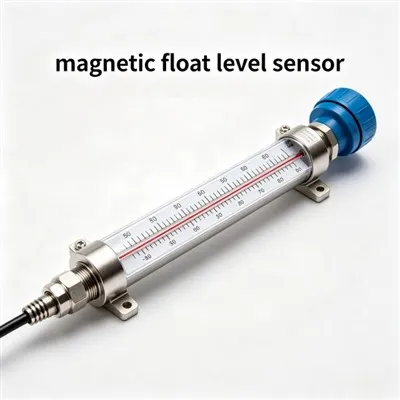
Level Sensor If you’re in the market for a smart valve controller, whether you’re in manufacturing, energy, water treatment, or building automation, I’d love to have a chat with you. We can talk about your specific needs, and I can show you how our smart valve controllers can fit right into your system. Don’t hesitate to reach out and start a conversation about procurement.
References
- Smith, J. (2020). Industrial Valve Control Systems. Mechanical Engineering Press.
- Brown, A. (2021). Smart Technologies in Fluid Control. Automation Journal.
- Green, C. (2019). Advanced Sensor Applications in Valve Controllers. Sensor Technology Magazine.
Shenzhen Fineherc Technology Co., Ltd.
Address: 5th Floor, Building D, No. 39, Keji East Road, Torch Development Zone, Zhongshan City,China
E-mail: fineherc@hotmail.com
WebSite: https://www.fineherc.com/
