Yo! I’m a supplier of Wireless Video Matrix systems, and today, I wanna chat about a super – common question: Can a Wireless Video Matrix support multiple video sources? Let’s dig into this topic and see what’s what. Wireless Video Matrix

The Basics of a Wireless Video Matrix
First off, let’s quickly go over what a wireless video matrix is. It’s a piece of tech that can take in video signals from different sources and send them to various displays. Think of it as a traffic controller for your video data. Instead of having a bunch of cables running everywhere, it uses wireless technology to move the video signals around. This is super handy, especially in setups where running cables is a pain in the neck, like in large conference rooms, auditoriums, or exhibition halls.
Compatibility with Multiple Video Sources
Now, the big question: Can it handle multiple video sources? The short answer is yes! Most modern wireless video matrix systems are designed to support a wide range of video sources.
1. Different Types of Devices
You’ve got all sorts of devices that can be used as video sources. There are laptops. Whether it’s a Mac or a Windows machine, chances are your wireless video matrix can connect to it. You just need to use the appropriate wireless adapter or connect it via Wi – Fi. For example, in a business meeting, presenters can easily share the content on their laptops, like PowerPoint slides or videos, to the big screens in the room.
Then there are smartphones and tablets. With the popularity of mobile devices, it’s crucial that the wireless video matrix can support them. You can share a cool product video from your smartphone directly to the display during a product launch event. Android and iOS devices are usually compatible, as long as they support wireless mirroring or casting technologies like Miracast or AirPlay.
Video game consoles are another great source. In entertainment venues or gaming lounges, you can connect your PlayStation, Xbox, or Nintendo Switch to the wireless video matrix. Gamers can then play their favorite games on multiple large – screen TVs, creating a more immersive and exciting gaming experience.
2. Various Video Formats
Not only does the wireless video matrix need to work with different devices, but it also has to handle various video formats. There’s MP4, which is one of the most common formats used for online videos and videos stored on devices. Whether it’s a promotional video or a customer testimony video, MP4 is super prevalent, and the wireless video matrix can easily process it.
AVI is another format that’s been around for a while. It’s known for its high – quality video and is often used in professional video production. The matrix should be able to handle AVI files without any issues, ensuring smooth playback on the connected displays.
There are also high – definition and Ultra – HD formats. With the increasing demand for better – quality visuals, 4K and even 8K video sources are becoming more common. A good wireless video matrix will support these high – resolution formats, allowing you to enjoy crystal – clear images and sharp details on your displays.
Benefits of Supporting Multiple Video Sources
So, why is it so great that a wireless video matrix can support multiple video sources?
1. Versatility in Applications
In a corporate setting, it means you can have a more dynamic meeting environment. Different team members can share content from their own devices, whether it’s a sales report from a laptop, a marketing video from a smartphone, or a financial analysis from a tablet. This makes the meetings more interactive and efficient.
In an educational institution, teachers can use different video sources to enhance the learning experience. They can play educational videos from online platforms, show presentations prepared on laptops, or even demonstrate experiments recorded on a smartphone. Students are more likely to be engaged when they’re exposed to a variety of video content.
2. Cost – Effectiveness
Instead of having multiple dedicated systems for different video sources, a single wireless video matrix can do the job. This reduces the need for buying and maintaining multiple pieces of equipment. You save money on hardware costs, and you also save on the space that would otherwise be taken up by all those extra devices.
Challenges and Solutions
Of course, supporting multiple video sources isn’t without its challenges.
1. Signal Interference
One of the main issues is signal interference. When you have multiple devices sending wireless signals, there’s a chance that they might interfere with each other. This can lead to a drop in video quality, such as pixelation or buffering.
To solve this problem, many wireless video matrix systems use advanced frequency – hopping and channel – selection technologies. These technologies allow the system to automatically find the clearest channel to transmit the video signals, reducing the impact of interference.
2. Compatibility Issues
Sometimes, there might be compatibility issues between the wireless video matrix and certain devices or video formats. For example, an older laptop might not support the latest wireless protocol used by the matrix.
In this case, most suppliers offer software updates for the wireless video matrix. These updates can often fix compatibility issues and add support for new devices and formats. Additionally, you can use adapters or converters to make sure that all your video sources can connect to the matrix.
Real – World Examples
Let’s look at a couple of real – world examples to see how a wireless video matrix supporting multiple video sources can make a difference.
1. A Conference Center
Imagine a large conference center hosting multiple seminars and workshops throughout the day. Each session might have a different presenter using a different device as a video source. With a wireless video matrix, presenters can quickly and easily connect their laptops, tablets, or smartphones to the big screens in the conference rooms. This makes the transition between different sessions smooth and hassle – free.
2. A Retail Store
In a retail store, the wireless video matrix can be used to display different types of content on multiple screens. You can have product videos from suppliers, promotional videos created in – house, and even live feeds from security cameras. This helps to create an engaging shopping environment and keep customers informed about the latest products and offers.
Wrapping It Up
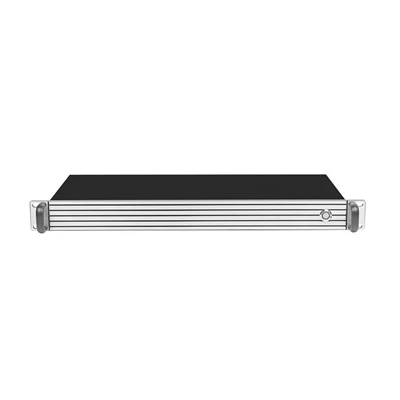
So, to sum it all up, a wireless video matrix can definitely support multiple video sources. It’s designed to work with different types of devices and various video formats, offering a lot of versatility and cost – effectiveness. While there are some challenges like signal interference and compatibility issues, there are also solutions to overcome them.
Presentation & Collaboration If you’re in the market for a wireless video matrix that can handle multiple video sources, I’d love to have a chat with you. Whether you’re setting up a new conference room, an educational facility, or a retail store, I can help you find the right system for your needs. Just reach out, and let’s start the conversation about how we can make your video setup even better.
References
- Video Technology Handbook, 3rd Edition
- Wireless Communication Principles and Practice, 2nd Edition
Shenzhen TranScreen Technology Co., Ltd.
As one of the most professional wireless video matrix manufacturers and suppliers in China, we have world-leading production equipment and strong manufacturing capabilities. Please feel free to buy customized wireless video matrix made in China here from our factory. Contact us for quotation.
Address: No. 168, Baoyuan Road, Baoan Dst., SZ, China
E-mail: inquiry@transcreen.com
WebSite: https://www.transcreen.com/
