As a seasoned supplier of hydraulic systems, I’ve witnessed firsthand the critical importance of safety during the installation process. Hydraulic systems are complex and powerful, and a single oversight during installation can lead to serious accidents, equipment damage, and costly downtime. In this blog, I’ll share some essential safety precautions that should be taken when installing a hydraulic system. Hydraulic System

Pre – installation Safety Checks
Before you even start unpacking the components of the hydraulic system, it’s crucial to conduct a thorough pre – installation safety check.
Site Inspection
First, examine the installation site. The area should be clean, dry, and well – ventilated. Any debris, dirt, or moisture can contaminate the hydraulic fluid and cause premature wear of the system components. Check for proper lighting as well; good visibility is essential to prevent tripping hazards and ensure accurate installation.
The site should also have enough space to accommodate the hydraulic system and allow for easy access during maintenance. Make sure there is no interference with other equipment or structures. If the installation is in a hazardous environment, such as an area with flammable materials, additional safety measures like explosion – proof enclosures may be required.
Component Inspection
Inspect all the hydraulic components carefully before installation. Check for any signs of damage, such as cracks, dents, or leaks in hoses, cylinders, valves, and pumps. Damaged components should not be installed as they can compromise the safety and performance of the entire system.
Verify that all components are the correct size and type according to the system design. Incorrect components can lead to improper operation, increased pressure, and potential safety risks. For example, using a valve with a lower pressure rating than required can cause the valve to fail under high pressure.
Review of Installation Manuals
Thoroughly review the installation manuals provided by the equipment manufacturers. These manuals contain specific instructions and safety recommendations for each component. Understanding the proper installation procedures is crucial to ensure the system is installed correctly and safely.
Personal Protective Equipment (PPE)
Proper use of personal protective equipment is non – negotiable during the installation of a hydraulic system.
Safety Glasses
Safety glasses protect your eyes from flying debris, such as metal shavings during the installation of pipe fittings or from accidental splashes of hydraulic fluid. Always wear safety glasses with side shields to provide the maximum level of protection.
Gloves
Wear appropriate gloves to protect your hands from cuts, abrasions, and chemical exposure. Hydraulic fluid can be harmful to the skin, and some components may have sharp edges. Choose gloves that are resistant to hydraulic fluid and provide a good grip, especially when handling hoses and fittings.
Steel – toed Boots
Steel – toed boots are essential to protect your feet from heavy objects that may accidentally fall, such as hydraulic cylinders or pumps. They also provide protection against sharp objects on the installation site.
Hearing Protection
If the installation involves noisy equipment, such as power tools or running pumps, wear hearing protection. Prolonged exposure to high – decibel noise can cause permanent hearing damage.
Hydraulic Fluid Safety
Hydraulic fluid is the lifeblood of a hydraulic system, and handling it safely is of utmost importance.
Fluid Selection
Select the correct hydraulic fluid according to the system requirements. The fluid should have the appropriate viscosity, anti – wear properties, and chemical stability. Using the wrong type of fluid can lead to poor system performance, increased wear of components, and potential safety hazards.
Fluid Handling
When handling hydraulic fluid, be careful to prevent spills. Spilled fluid can create slippery surfaces, increasing the risk of slips and falls. If a spill occurs, clean it up immediately using appropriate absorbent materials.
Avoid contact with the skin and eyes. In case of accidental contact, rinse the affected area thoroughly with water and seek medical attention if necessary.
Fluid Storage
Store hydraulic fluid in a clean, dry, and well – ventilated area. Keep the containers tightly sealed to prevent contamination. Label the containers clearly with the type of fluid and its date of purchase.
Installation Process Safety
During the actual installation process, several safety precautions should be followed.
Pressure Relief
Before starting any installation work on the hydraulic system, make sure to relieve any pressure in the system. High – pressure hydraulic fluid can cause serious injuries if it is suddenly released. Locate the pressure relief valves and follow the manufacturer’s instructions to safely release the pressure.
Proper Torque
When installing pipe fittings, hoses, and other connections, use the correct torque values specified in the installation manuals. Over – tightening or under – tightening can lead to leaks, which can be a safety hazard. Use a torque wrench to ensure accurate tightening.
Secure Mounting
All components of the hydraulic system, such as pumps, motors, and cylinders, should be securely mounted. Loose components can vibrate during operation, leading to damage and potentially causing system failure. Use the appropriate mounting brackets and fasteners, and follow the installation instructions carefully.
Electrical Safety
If the hydraulic system has electrical components, such as solenoid valves or control panels, follow strict electrical safety procedures. Turn off the power supply before working on any electrical connections. Make sure all electrical wires are properly insulated and grounded to prevent electrical shocks and short circuits.
Post – installation Safety Checks
Once the hydraulic system is installed, a series of post – installation safety checks are necessary.
Leak Testing
Conduct a thorough leak test of the entire system. Check all connections, hoses, and seals for any signs of leakage. Even a small leak can lead to a significant loss of hydraulic fluid over time and can also indicate a potential safety issue. Repair any leaks immediately.
Function Testing
Test the functionality of the hydraulic system to ensure it operates smoothly and according to the design specifications. Check the operation of valves, cylinders, and pumps. During the testing process, observe the system closely for any abnormal noises, vibrations, or movements. If any issues are detected, troubleshoot and repair them before putting the system into full operation.
Operator Training
Provide comprehensive training to the operators who will be using the hydraulic system. The operators should understand the safety features of the system, how to operate it correctly, and what to do in case of an emergency. A well – trained operator can significantly reduce the risk of accidents and ensure the long – term safety and performance of the hydraulic system.
Conclusion
The installation of a hydraulic system requires strict adherence to safety precautions at every stage, from pre – installation checks to post – installation testing. By following these safety guidelines, we can minimize the risk of accidents, ensure the reliable operation of the hydraulic system, and protect the well – being of the installation team and the end – users.
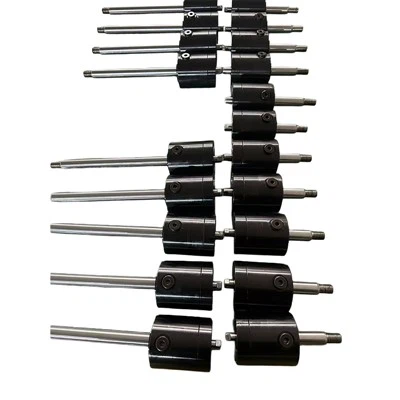
As a trusted supplier of hydraulic systems, we are committed to providing high – quality products and supporting our customers with expert advice on safety and installation. If you are considering the purchase of a hydraulic system for your project, or if you have any questions about installation safety, I encourage you to contact us for a detailed consultation. We have a team of experienced professionals who are ready to assist you in making the right choices for your specific needs.
Welded Hydraulic Cylinder References:
- "Hydraulic Systems: Design, Installation, and Maintenance" by an industry – recognized hydraulic engineering expert
- Manufacturer’s installation and operation manuals for various hydraulic components
Wuhu Zhongye Fluid Equipment Co., Ltd.
We are one of the most experienced hydraulic system manufacturers and suppliers in China, specialized in providing high quality customized products. Please feel free to wholesale bulk durable hydraulic system in stock here from our factory. Contact us for quotation.
Address: No. 2, Hexing Road, Sanshan District, Wuhu City, Anhui Province
E-mail: zhongyehydro20@163.com
WebSite: https://www.zhongyehydro.com/
