Hey there! I’m a supplier of elevator fans, and today I wanna chat about the installation requirements for these nifty devices. We’re gonna go through the whole deal, from the basic stuff to the nitty – gritty details that’ll make sure your elevator fan works like a charm. Elevator Fan

1. Safety First: Electrical Requirements
Let’s start with the electrical side of things. Safety is extremely important here. First off, you need to check the voltage requirements of the elevator fan. Most of the elevator fans we supply work with a standard voltage, usually around 220V or 110V depending on your location. But it’s super crucial to double – check this. You don’t want to plug a 220V fan into a 110V socket or vice versa; that’s just asking for trouble, like the fan not working at all or even getting damaged.
The electrical wiring also has to be up to the mark. It should be able to handle the power load of the fan. You can’t use some old, frayed wires that might short – circuit. The wiring should be properly insulated, and it’s a good idea to have a professional electrician do the installation. They’ll know how to connect the fan to the power source safely, making sure there are no loose connections that could cause sparks or fires.
Grounding is another key safety aspect. The fan needs to be properly grounded. Grounding helps to protect against electrical shocks. If there’s a fault in the fan, the electricity will flow into the ground instead of endangering anyone inside the elevator. So, make sure the grounding wire is securely attached and in good condition.
2. Space and Location
The space inside an elevator is limited, so you have to choose the right location for the fan. A common place is on the ceiling of the elevator. Installing it on the ceiling allows for better air circulation. The air can flow down from the top, creating a comfortable environment inside the elevator.
But when you’re putting the fan on the ceiling, you need to make sure there’s enough space around it. The fan blades need room to spin without hitting anything. There should be at least a few inches of clearance on all sides. Also, consider the weight of the fan. The ceiling has to be able to support it. If the ceiling is too weak, the fan might fall, which is a huge safety hazard.
Another option is to install the fan on the wall. Wall – mounted fans can also work well, especially if they’re placed at an appropriate height. They can blow air horizontally across the elevator, helping to move the air around. However, you still need to think about the space. The fan shouldn’t stick out too much and cause people to bump into it.
3. Airflow and Ventilation
The main job of an elevator fan is to provide good airflow and ventilation. To achieve this, you need to think about the direction of the airflow. The fan should be installed in a way that it can draw in fresh air and expel stale air.
For example, if there are ventilation ducts in the elevator, the fan should be positioned to work in harmony with them. It can help to push the fresh air from the ducts into the elevator and pull the stale air out. This way, the air inside the elevator will be constantly refreshed, reducing stuffiness and odors.
The size of the fan also matters when it comes to airflow. A bigger fan can move more air, but you need to make sure it fits in the elevator space. You don’t want to choose a fan that’s too large for the elevator, as it might not be able to operate efficiently. On the other hand, a fan that’s too small won’t be able to provide enough airflow. So, you have to find the right balance based on the size of the elevator.
4. Noise Level
No one wants to be in an elevator with a noisy fan. It can be really annoying and even a bit stressful. So, when installing the elevator fan, you need to take steps to reduce the noise level.
First, make sure the fan is properly balanced. An unbalanced fan will vibrate more, which creates more noise. The installation brackets should be securely tightened so that the fan doesn’t wobble during operation.
You can also use noise – absorbing materials. For example, you can put some rubber padding between the fan and the mounting surface. This helps to dampen the vibrations and reduce the noise that gets transmitted to the elevator cabin.
5. Maintenance Access
Maintenance is an important part of keeping the elevator fan in good working condition. So, the fan should be installed in a way that it’s easy to access for maintenance.
If it’s a ceiling – mounted fan, there should be a hatch or some way to open up the area around the fan. This allows maintenance workers to get to the fan quickly when they need to clean it, replace the filters, or check for any mechanical problems.
For wall – mounted fans, make sure there’s enough space in front of the fan so that workers can easily reach the controls and components. Also, the fan should be designed in a way that the parts can be easily removed and replaced.
6. Compatibility with Elevator Systems
The elevator fan needs to be compatible with the overall elevator system. It should be able to work in sync with the elevator’s control system. For example, the fan should turn on and off at the right times. When the elevator is in operation, the fan should start working to provide ventilation. And when the elevator is out of service for maintenance or something, the fan can be turned off.
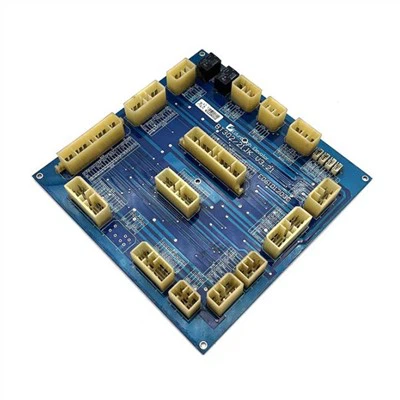
There might also be some communication requirements between the fan and the elevator’s monitoring system. This way, if there’s a problem with the fan, like a malfunction or a drop in performance, the elevator monitoring system can detect it and send an alert to the maintenance team.
Other Elevator Parts As a supplier of elevator fans, I understand that getting the installation right is key to getting the most out of our products. If you’re in the process of installing an elevator fan or planning to do so in the future, I’m here to help. Our team of experts can provide you with detailed installation guides, and we can offer support during the installation process. If you think our elevator fans might be a good fit for your needs, don’t hesitate to reach out. We can have a chat about your specific requirements and see how we can help you create a comfortable and well – ventilated elevator environment.
References
- "Elevator Ventilation Standards Handbook"
- "Electrical Safety Guidelines for Elevator Equipment"
- "Best Practices in Elevator Fan Installation"
Sanjin Elevator Parts Co., Ltd.
Sanjin Elevator Parts Co., Ltd. is one of the most professional elevator fan manufacturers and suppliers in China, featured by quality products and good service. Please rest assured to buy or wholesale high-grade elevator fan at competitive price from our factory.
Address: 18th Floor, Xinyuan Center, Fenghe Road, Xi’an, Shaanxi, China
E-mail: elevatorparts@westdt.com
WebSite: https://www.sanjinelevator.com/
