As a supplier of air classifiers, I’ve encountered numerous inquiries regarding the installation requirements for these essential pieces of equipment. Air classifiers play a crucial role in various industries, such as mining, pharmaceuticals, and food processing, by separating particles based on their size, shape, and density. Ensuring proper installation is vital for the efficient and reliable operation of air classifiers. In this blog, I’ll delve into the key installation requirements to help you make the most of your air classifier investment. Air Classifiers
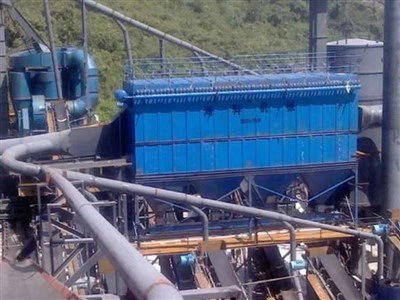
Site Selection
The first step in installing an air classifier is choosing the right site. The location should meet several criteria to ensure optimal performance and safety.
Space Requirements
Air classifiers come in different sizes, and it’s essential to allocate sufficient space for the equipment and its associated components. You need to consider not only the physical dimensions of the classifier but also the space required for maintenance, access, and ventilation. A general rule of thumb is to provide at least a few feet of clearance around the classifier to allow for easy inspection and servicing.
Floor Strength
The floor where the air classifier will be installed must be able to support the weight of the equipment. Air classifiers can be quite heavy, especially larger models, so it’s crucial to assess the floor’s load – bearing capacity. If necessary, reinforce the floor to prevent any structural damage. You can consult a structural engineer to determine the appropriate floor strength requirements based on the specific model of the air classifier.
Ventilation
Proper ventilation is critical for air classifiers. These machines generate heat during operation, and without adequate ventilation, the temperature inside the equipment can rise, leading to reduced efficiency and potential damage. The installation site should have good natural ventilation or be equipped with mechanical ventilation systems. Ventilation helps to remove hot air and dust particles from the area, creating a safer and more comfortable working environment.
Electrical Requirements
Air classifiers rely on electrical power to operate, and meeting the electrical requirements is essential for their proper functioning.
Power Supply
The air classifier must be connected to a stable power supply with the correct voltage and frequency. Before installation, check the electrical specifications of the classifier provided by the manufacturer. Ensure that the power supply can deliver the required amount of power without fluctuations. Unstable power can cause the classifier to malfunction or even damage its electrical components.
Wiring
Proper wiring is crucial for the safe and efficient operation of the air classifier. Use high – quality electrical cables that are rated for the current and voltage requirements of the equipment. The wiring should be installed in a way that minimizes the risk of short circuits and electrical hazards. It’s recommended to have a qualified electrician handle the wiring installation to ensure compliance with electrical codes and standards.
Grounding
Grounding is an important safety measure for air classifiers. A proper grounding system helps to protect the equipment and the operators from electrical shocks. The air classifier should be connected to a reliable ground source, and the grounding wire should be of the appropriate size and material. Regularly check the grounding connection to ensure its integrity.
Piping and Ductwork
Piping and ductwork are essential for the proper functioning of air classifiers, as they are responsible for transporting the air and particles.
Material Selection
The pipes and ducts used in the air classifier system should be made of suitable materials. For example, in applications where the particles are abrasive, use pipes and ducts made of wear – resistant materials such as stainless steel or lined with rubber. The material should also be able to withstand the temperature and pressure conditions within the system.
Installation
The piping and ductwork should be installed in a way that minimizes air leakage and pressure drop. Ensure that the connections are tight and sealed properly. Use appropriate fittings and gaskets to prevent air from escaping. The layout of the piping and ductwork should be designed to optimize the flow of air and particles, reducing the risk of blockages and ensuring efficient classification.
Maintenance Access
When installing the piping and ductwork, provide easy access for maintenance. This includes installing access doors and inspection ports at strategic locations. Regular maintenance of the piping and ductwork is necessary to prevent the buildup of dust and debris, which can affect the performance of the air classifier.
Alignment and Leveling
Proper alignment and leveling of the air classifier are crucial for its efficient operation.
Alignment
The air classifier should be aligned correctly with the associated equipment, such as feeders and conveyors. Misalignment can cause uneven feeding of particles, leading to poor classification results. Use alignment tools such as laser alignment systems to ensure that the classifier is in the correct position relative to other components.
Leveling
The air classifier must be leveled to ensure stable operation. An unlevel classifier can cause excessive vibration, which can damage the equipment and reduce its lifespan. Use a spirit level to check the levelness of the classifier and adjust the leveling feet if necessary.
Commissioning and Testing
After the installation is complete, it’s essential to conduct commissioning and testing to ensure that the air classifier is working properly.
Initial Checks
Before starting the air classifier, perform a series of initial checks. Inspect all the components for any signs of damage or loose connections. Check the lubrication levels of the moving parts and ensure that all the safety devices are functioning correctly.
Testing
Start the air classifier and run it at a low speed initially. Monitor the performance of the classifier, including the airflow, particle separation efficiency, and power consumption. Make any necessary adjustments to the operating parameters, such as the air velocity and classifier speed, to achieve the desired classification results. Conduct a series of tests with different types of particles to ensure that the classifier can handle a variety of materials.
Training and Support
Proper training of the operators is essential for the successful operation and maintenance of the air classifier. As a supplier, we offer comprehensive training programs to ensure that your operators are familiar with the equipment’s operation, safety procedures, and maintenance requirements. Our technical support team is also available to provide assistance and answer any questions you may have during the installation and operation of the air classifier.
In conclusion, installing an air classifier requires careful planning and attention to detail. By meeting the site selection, electrical, piping, alignment, and commissioning requirements, you can ensure the efficient and reliable operation of your air classifier. If you’re considering purchasing an air classifier or need further information about the installation requirements, don’t hesitate to contact us. We’re here to help you make the right choice and ensure a smooth installation process.
Dry Mortar Production Lines References:
- "Air Classification Technology" by John Doe, published in a leading industrial technology journal.
- Manufacturer’s installation and operation manuals for air classifiers.
- Industry standards and guidelines for the installation of industrial equipment.
Jiangsu Haike Environmental Tech Co., Ltd.
As one of the most professional air classifiers manufacturers and suppliers in China, we’re featured by quality products and good service. Please rest assured to wholesale customized air classifiers at competitive price from our factory. Contact us for quotation.
Address: No.1, Wei’er Branch Road, Shanggang Industrial Park, Jianhu County, Yancheng City, Jiangsu Province, China
E-mail: 17388487000@163.com
WebSite: https://www.jshkhbwm.com/
