As a supplier of tin metal, I am often asked about the process of transforming tin metal into various products. Tin, a versatile and valuable metal, has a long history of use in a wide range of industries, from electronics to packaging. In this blog post, I will take you through the journey of tin metal from its raw form to the finished products that we use in our daily lives. Tin Metal

Mining and Extraction
The first step in the tin metal processing is the mining of tin ore. Tin ore is typically found in the form of cassiterite (SnO₂), which is mined from underground or open-pit mines. The mining process involves drilling, blasting, and excavation to extract the ore from the ground. Once the ore is extracted, it is transported to a processing plant for further refinement.
At the processing plant, the tin ore is crushed and ground into a fine powder. This powder is then subjected to a series of chemical and physical processes to separate the tin from other minerals and impurities. One of the most common methods used for tin extraction is froth flotation, which involves adding chemicals to the ore to make the tin particles float to the surface while the other minerals sink to the bottom. The floating tin particles are then collected and further processed to obtain pure tin metal.
Smelting
After the tin ore has been extracted and purified, the next step is smelting. Smelting is the process of heating the tin ore to a high temperature in the presence of a reducing agent, such as carbon, to convert the tin oxide (SnO₂) into pure tin metal. The smelting process typically takes place in a furnace, where the tin ore is heated to temperatures of around 1,200°C to 1,300°C.
During the smelting process, the reducing agent reacts with the tin oxide to produce pure tin metal and carbon dioxide. The molten tin is then collected at the bottom of the furnace and poured into molds to form ingots or bars. These ingots or bars are then further processed to make various tin products.
Refining
Once the tin has been smelted, it is often further refined to remove any remaining impurities and improve its purity. Refining is typically done through a process called electrorefining, which involves passing an electric current through a solution of tin sulfate to deposit pure tin metal onto a cathode. The impurities in the tin are left behind in the solution and can be removed through a series of filtration and purification steps.
Electrorefining is a highly effective method for producing high-purity tin metal, which is essential for many applications, such as electronics and soldering. The refined tin metal can then be used to make a wide range of products, including tinplate, solder, and alloys.
Manufacturing of Tin Products
Once the tin metal has been refined, it can be used to manufacture a variety of products. One of the most common uses of tin is in the production of tinplate, which is a thin sheet of steel coated with a layer of tin. Tinplate is widely used in the packaging industry for making cans, containers, and other food and beverage packaging.
Another important use of tin is in the production of solder, which is a metal alloy used to join two or more metal parts together. Solder is commonly used in the electronics industry for making printed circuit boards and other electronic components.
Tin is also used in the production of various alloys, such as bronze and pewter. Bronze is an alloy of copper and tin, which is known for its strength, durability, and corrosion resistance. Pewter is an alloy of tin, copper, and antimony, which is commonly used for making decorative items, such as candlesticks and utensils.
Quality Control
As a tin metal supplier, I understand the importance of quality control in the production of tin products. Quality control is essential to ensure that the tin products meet the required standards and specifications. At our company, we have a strict quality control system in place to ensure that all our tin products are of the highest quality.
Our quality control system includes a series of tests and inspections at every stage of the production process, from the mining and extraction of tin ore to the manufacturing of tin products. We use advanced testing equipment and techniques to ensure that our tin products meet the required standards for purity, strength, and durability.
Conclusion
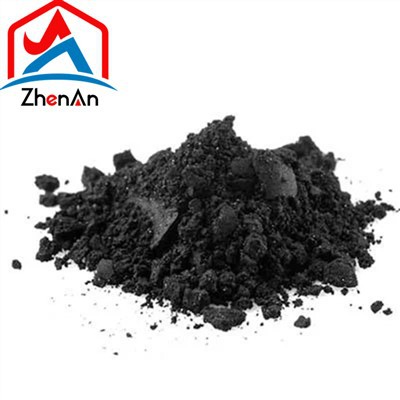
Graphite Powder In conclusion, the process of transforming tin metal into various products is a complex and multi-step process that involves mining, extraction, smelting, refining, and manufacturing. As a tin metal supplier, I am committed to providing high-quality tin products that meet the needs of our customers. If you are interested in purchasing tin metal or tin products, please contact us to discuss your requirements. We look forward to working with you.
References
- "Tin: Properties, Production, and Applications." Encyclopedia Britannica.
- "Tin Mining and Processing: Everything You Need to Know." Geology.com.
- "The History of Tin: From Ancient Times to the Present." MetalTek.
ZhenAn International Co., Limited
ZhenAn International Co., Limited is one of the leading tin metal manufacturers and suppliers in China. We warmly welcome you to wholesale discount tin metal in stock here from our factory. All our products are with high quality and competitive price.
Address: Huafu Commercial Center, Wenfeng District, Anyang City, Henan Province, China
E-mail: info@zaferroalloy.com
WebSite: https://www.ferro-silicon-alloy.com/
