Hey everyone, thanks for popping in – I’m Sam, and I’ve been sourcing and manufacturing sportswear fabrics for over 12 years now. For way too long, people only talk about the environmental impact of the actual sportswear you buy, like the sneakers or the leggings, but no one stops to think: where does the fabric itself come from? That’s the stuff I work with every single day, and let me tell you, the process of making sportswear fabric has way bigger environmental hits than most folks realize. Today I’m breaking down exactly what those impacts are, and why it matters for both you and our planet. Sportswear Fabric
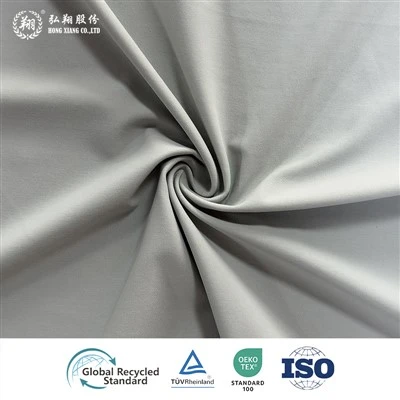
First off, let’s cut to the biggest elephant in the room: synthetic fabrics, which make up like 70% of all sportswear out there right now. Think polyester, nylon, spandex – basically everything that stretches, wicks sweat, and holds its shape through a 5k run or a hot yoga class. Here’s the thing: these aren’t made from natural materials. They’re derived from fossil fuels – like oil and natural gas. The production process for these starts with crude oil extraction, which is already messy. Drilling for oil disrupts ecosystems, leaks can poison water sources, and it’s a huge contributor to carbon emissions. I’ve seen it first-hand in the places we source raw materials from – even the “clean” extraction sites aren’t totally zero-impact. Then, turning oil into polymer chips? That’s another energy-heavy step. Those reactors run on mostly fossil fuel power, so each pound of polyester fabric produces about 5.5 kilograms of CO2. To put that in perspective, making a single polyester hoodie fabric emits more carbon than driving a car 15 miles. And it doesn’t stop there. When those polymer chips get spun into fibers, microplastics get released. A lot of people know about microplastics from laundry, but do you know where most of those microplastics come from? They leach out during the fabric manufacturing process, way before the clothes even hit the store. Those tiny plastic bits wind up in waterways, get eaten by fish, and eventually make their way into the food chain. I’ve had customers ask me, “can you make fabric without microplastics?” And honestly? It’s tricky – synthetic fibers just shed microplastics when they’re made, unless we invest in way better filtration systems, which a lot of smaller factories can’t afford.
Now, don’t write off natural fabrics just yet – they’ve got their own set of environmental hits, especially when we’re talking about sportswear needs. Most people think cotton is “green,” but conventional cotton is actually one of the most pesticide-heavy crops out there. Like, 25% of the world’s insecticides and 10% of pesticides are used on cotton plants, according to the stats I keep tabs on. A lot of those are super toxic – things that kill beneficial insects, contaminate soil, and seep into groundwater. I’ve worked with farmers who say their wells test for high levels of glyphosate (that’s the main ingredient in Roundup) because of nearby conventional cotton fields. And sportswear often uses a blend of cotton and spandex for stretch, so you’re not just dealing with cotton’s issues, you’re adding the synthetic ones too. Then there’s water use. Conventional cotton takes about 2,700 liters of water to make one t-shirt’s worth of fabric – that’s enough for one person to drink for two and a half years. For sportswear, since it’s usually a sturdier, denser fabric, that number goes up even more. Even organic cotton, which uses less pesticides, still uses a ton of water. It’s just a thirsty crop, especially if it’s grown in areas with low rainfall – like parts of the US Southwest or Central Asia, where a lot of our cotton is sourced. I recently switched some of our cotton blends to organic, but I’ll be honest with you – the water savings are real, but the supply is tight right now, so we have to plan way further ahead.
Another big impact people sleep on is chemical processing. Sportswear has to do specific things – wick moisture, resist odor, be water-repellent (for running in the rain), or stretch for long periods. All of those functions require adding chemicals during manufacturing. For example, water-repellent coatings are usually made with PFOAs or PFAS – those “forever chemicals” that don’t break down in the environment. They’re linked to all kinds of health issues, and they wind up in wastewater from factories. A few years back, we had a factory partner in Vietnam that had to shut down part of their operations because their wastewater was testing too high in PFAS. The local river was full of it, and the community was complaining about fish being contaminated. We switched to a PFAS-free coating, but it’s not perfect – those alternatives still have their own environmental questions. Then there’s dyeing and finishing. Dyeing fabric uses so much water, and a lot of the dyes are synthetic too. Up to 20% of industrial water pollution comes from textile dyeing, according to the UN. I’ve seen it first-hand in places where we source fabrics – rivers turning bright blue or pink for weeks after a dye run. Even if a factory treats its wastewater, a lot of smaller ones cut corners on treatment costs, so those chemicals go straight back into the environment.
Wait, let’s talk about circularity too – because a lot of people think “well, if it’s recyclable, it’s okay.” But here’s the catch with synthetic sportswear fabrics: most of them can only be recycled a few times before the fibers get too short and weak to use. So even if you throw your old leggings in the recycling bin, they might not actually turn back into new leggings. They often get downcycled into lower-quality products, like insulation or carpet padding, which then still end up in landfills eventually. And when they do break down in landfills, synthetics don’t biodegrade – they just break into smaller and smaller microplastics. For natural fabrics, they biodegrade, but if they’re blended with synthetics (which almost all sportswear is, for stretch), separating the two is really hard. You can’t just compost a spandex-cotton blend – it won’t break down properly, and the spandex bits will linger. So even when you think you’re being eco-friendly by buying natural, if it’s a blend, it’s not that simple.
Now, I’m not here to scare you – I’m here to tell you what’s really going on, because that’s how we fix it. A lot of brands and consumers are starting to care, so we’re investing in better fabrics. We’ve started carrying a line of recycled polyester fabric – made from plastic bottles collected from oceans and landfills. It cuts down on fossil fuel use, and it keeps plastic out of the environment. But even that has downsides – it still sheds microplastics, just not as much as virgin polyester. We’re also testing Tencel (that’s a sustainably sourced cellulose fiber made from wood pulp) for sportswear. Tencel uses way less water and chemicals than cotton, and it’s biodegradable. But again, when you blend it with spandex, you still have to deal with the synthetic part. We’re working with a research lab to make spandex that’s biodegradable, but it’s still in the testing phase – not ready for mass production yet.
Let me also clarify something: as a sportswear fabric supplier, I don’t want you to think I’m just here selling products and ignoring the problems. We audit every one of our factories, make sure they’re treating their wastewater properly, and we’re only working with raw material suppliers that have eco-certifications. But we’re not perfect – no one is. The industry as a whole has a long way to go. For example, we’re trying to reduce our energy use by switching factories to solar power, but a lot of our factory partners are in areas with limited access to solar infrastructure. It’s a slow process, but we’re making small wins.
Here’s why all this matters beyond just “saving the planet”: for a long time, environmental impacts have been paired with human impacts too. Factory workers, farmers, people living near water sources contaminated by textile chemicals – they’re the ones paying the price for fast fashion’s low costs. When we choose fabrics that are made with better processes, we’re not just helping the environment, we’re helping the people who make your sportswear. That’s why we don’t cut corners on factory conditions or environmental standards – it’s non-negotiable for us.
A lot of you probably have questions: what’s the most eco-friendly sportswear fabric right now? The answer isn’t a single one – it’s about balance. Recycled synthetics are a good middle ground, Tencel is great for certain uses, organic cotton works for blends. It depends on what the fabric is being used for – a running shirt needs wicking and stretch, so a 100% organic cotton shirt won’t work as well. It’s not just about picking “natural” vs “synthetic”; it’s about the full lifecycle: where the raw material comes from, how it’s made, how it can be recycled or disposed of at the end.
I know this all sounds like a lot, but it’s the truth. Fast fashion has made sportswear cheap, but that cheapness comes at a huge cost to the environment and people. As a supplier, my job is to give you options that are better, without sacrificing the performance you need. If you’re a brand looking to source sportswear fabric that’s as eco-friendly as possible, or even if you’re just a consumer who wants to know more about what goes into your gear, I’m here to chat. We can talk through your needs, show you our factory audit reports, or walk through the different fabric options we have. No sales pitch, just real talk about what works and what doesn’t.
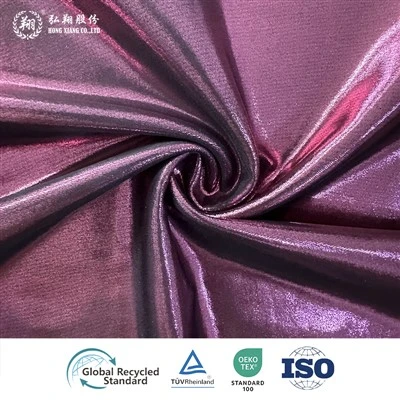
Let’s end with this: every time you buy a piece of sportswear, you’re voting with your dollar. If you choose a fabric that’s made with less impact, that’s a vote for change. And we’re here to make those fabrics accessible. So if you’re ready to talk sourcing, or just have questions about the environmental side of sportswear fabrics, hit me up. Let’s work together to make this industry a little greener, one fabric at a time.
Jacquard Knitted Fabric References
Textile Institute. (2022). Life Cycle Assessment of Textile Materials: Synthetic vs Natural Fibers. UN Environment Programme. (2021). From Pollution to Solution: A Global Assessment of Marine Litter and Plastic Pollution. Organic Trade Association. (2023). Cotton’s Environmental Footprint: Conventional vs Organic Production. World Bank. (2020). Water Use in Agricultural Commodity Production: The Case of Cotton.
Zhejiang Hongxiang Textile Technology Co., Ltd.
Zhejiang Hongxiang Textile Technology Co., Ltd. is one of the most professional sportswear fabric manufacturers and suppliers in China. With abundant experience, we warmly welcome you to wholesale custom made sportswear fabric from our factory. If you have any enquiry about cooperation, please feel free to email us.
Address: No. 8, 12th Road, Warp Weaving Park, Maqiao Street, Haining City, Jiaxing City, Zhejiang Province
E-mail: gd@hongxiang888.cn
WebSite: https://www.h-xiang.com/
