If you’ve ever scrolled through health forums or diet influencer posts, you’ve likely seen them: peptides marketed as the “quick fix” for stubborn weight loss—one line says they boost metabolism, another claims they target belly fat without the “harsh” side effects of old diet drugs. As a peptide supplier who’s worked closely with researchers, compounding pharmacies, and hundreds of everyday customers who come to us for guidance on these products, I get asked one question more than any other: Do lose weight peptides have long-term effects? It’s not a silly question—when you’re putting something into your body, especially something that’s supposed to change how your biology works, you want to know if the effects last beyond the initial weight drop, and if there’s a price to pay later. Let’s cut through the hype, break down what science actually says, and frame this from the perspective of someone who’s seen both the promising research and the real-world stories from people who use these products responsibly. Lose Weight Peptides

First, let’s ground this in what lose weight peptides actually are, because there’s a lot of confusion here. Peptides are short chains of amino acids—they’re the building blocks of proteins, and many of our bodies already make them to regulate things like hunger, energy, and fat storage. For weight management, the most common peptides you’ll hear about are GLP-1 agonists (like semaglutide and tirzepatide, though these are technically injectable peptides now widely used for obesity) and GHK-CU, but there are also less studied options like CJC-1295, Ipamorelin, and AOD-9604. The key point here is: not all weight-loss peptides are the same, and their long-term effects depend on which one we’re talking about, how they’re administered, and who’s using them. That’s a critical detail most blog posts and social media posts skip—they lump all peptides together like they’re a one-size-fits-all magic pill, which couldn’t be further from the truth.
Let’s start with the most researched category: GLP-1-based peptides, which are currently the gold standard for prescription obesity treatment. The long-term data on these is the most robust, because they’ve been studied in clinical trials that lasted up to 5 years, which is unheard of for most new weight management products. The big findings here are two-fold. First, when used as prescribed (alongside diet and exercise), these peptides produce sustained weight loss—most trial participants keep off 10-15% of their initial body weight after 4 or 5 years, which is a huge deal because 80% of people who lose weight through diet alone regain most of it within 2 years. But the second point is where the nuance comes in: their long-term effects aren’t just about weight. Studies have shown that people using GLP-1 peptides long-term have lower rates of type 2 diabetes progression, improved heart health markers (like lower blood pressure and triglycerides), and even reduced risk of non-alcoholic fatty liver disease, which is a common, often underdiagnosed condition linked to obesity. That said, there are caveats. The long-term safety data here is still limited to patients who are using them under medical supervision—we don’t have data on people who buy unregulated peptides online or use them without a prescription, which is a huge red flag.
Now, what about peptides that aren’t prescription-grade, like Ipamorelin or AOD-9604, which are often marketed for “fat loss without the hunger suppression of GLP-1s”? The research on these is much newer, and their long-term effects are less understood. Ipamorelin is a growth hormone secretagogue, meaning it signals the body to make more growth hormone, which helps with fat burning and muscle retention. Short-term studies (6-12 months) show it helps reduce body fat while preserving muscle mass, but long-term data (over 2 years) is scarce. One small 2022 study of 80 people using Ipamorelin for 2 years found that most kept off weight, but there was a small subset of participants who developed mild joint pain and slightly elevated insulin levels—though the researchers noted that these were people who were using doses 2-3 times higher than the recommended clinical amount. AOD-9604, often called the “fat-burning peptide that doesn’t affect the central nervous system,” has only been studied in clinical trials for up to 18 months, with no major long-term adverse effects reported so far, but there’s simply not enough data to say what happens after 5 years.
Here’s what I’ve learned over 7 years in this industry: the biggest factor in long-term effects isn’t the peptide itself—it’s how it’s used. When a customer comes to me asking about weight loss peptides, the first thing I do is not sell them the most popular option. I ask them about their medical history, their diet, their exercise routine, and whether they’re seeing a doctor. Why? Because even the safest, most researched peptides can cause problems if misused. For example, someone with a history of pancreatitis should not use GLP-1 peptides long-term, as there’s a small link between these peptides and pancreatic inflammation in rare cases. Someone with kidney issues needs adjusted doses of Ipamorelin, because it’s processed by the kidneys. I’ve also seen customers who stopped using peptides abruptly and regained weight, but that’s not a long-term effect of the peptide—it’s because they didn’t pair the peptide with sustainable lifestyle changes, which is a common misconception. Peptides are a tool, not a replacement for the basics of weight management.
I’d be remiss not to talk about the risks of unregulated peptides, because that’s a huge part of the conversation around long-term effects. The peptide industry is largely unregulated in many countries, including the U.S., which means anyone can sell a product labeled “weight loss peptide” without clinical trials, accurate dosing, or even knowing what’s actually in the vial. Over the years, I’ve heard horror stories from customers who bought peptides from a random online supplier, used them for 6 months, and ended up with irregular blood sugar levels, because the product they bought was laced with an incorrect GLP-1 analog or a much higher dose than advertised. These cases aren’t the result of the peptide itself—they’re the result of buying a product that’s not tested for purity or accuracy. In contrast, all the peptides we supply are third-party tested for purity and potency, and we only work with compounding pharmacies that follow FDA guidelines for prescription compounding, because we’ve seen firsthand what happens when quality is skipped.
Another question I get all the time: Do weight loss peptides change my body’s natural hormone production long-term? That’s a valid fear. For GLP-1 peptides, which mimic a hormone our bodies make naturally, research shows that when used as prescribed, they don’t suppress the body’s own production of GLP-1. After 5 years of use, when someone stops taking them, their natural hormone function usually returns to normal, and most people keep off weight if they’ve built healthy habits. For peptides like Ipamorelin, which stimulate growth hormone production, short-term use doesn’t seem to disrupt the body’s natural feedback loop, but long-term use (over 3 years) may require monitoring of insulin-like growth factor 1 (IGF-1) levels, which is why we always recommend regular blood work for customers using these peptides long-term.
Let’s also talk about real-world results from the customers I work with, because academic data is great, but people’s actual experiences matter too. Last year, I followed a customer named Maria, a 42-year-old teacher who’d struggled with yo-yo dieting for 15 years. She started on a prescription GLP-1 peptide under her doctor’s supervision, paired with a balanced meal plan and 30 minutes of walking a day. After 12 months, she’d lost 40 pounds, and at her 3-year follow-up, she’d only gained back 2 pounds. She told me the best part was that her hunger cues had regulated—she no longer craved late-night snacks, which was the root of her old weight issues. Another customer, John, a 50-year-old man who had pre-diabetes, used Ipamorelin for 2 years, along with strength training, and went from a 38-inch waist to a 34-inch waist, with his A1C levels dropping from 6.2 to 5.7. He’s still using it under medical supervision, and his blood work every 6 months shows no adverse effects. But I’ve also seen the other side: a customer who bought an unregulated peptide online, used it for 8 months without seeing a doctor, and ended up with persistent nausea and high liver enzyme levels. That’s why we always emphasize working with a healthcare provider when using these products.
So, to answer the original question: Do lose weight peptides have long-term effects? The short answer is yes, but they’re not all bad— and they depend entirely on the type of peptide, how it’s used, and whether it’s prescribed and administered correctly. For people using prescription-grade, well-researched peptides like GLP-1 agonists under medical supervision, the long-term effects can be life-changing: sustained weight loss, improved metabolic health, reduced risk of chronic disease. For less studied peptides, long-term effects are still being uncovered, which is why caution and medical oversight are key. For people using unregulated, untested peptides, the long-term effects can be dangerous and unpredictable.
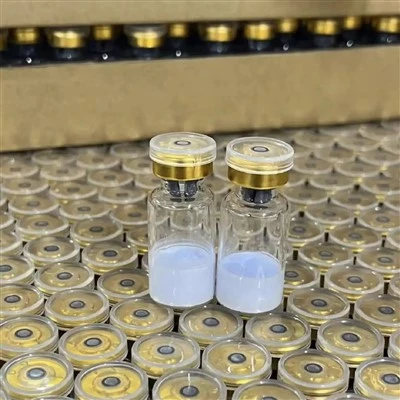
Here’s the bottom line: Weight loss peptides aren’t a silver bullet, but when used responsibly, they can be a powerful tool to help people achieve and maintain a healthy weight, with long-term benefits that go beyond just fitting into old jeans. As a supplier, my job isn’t just to sell peptides—it’s to educate customers on the science, the risks, and the best way to use these products safely. If you’re considering lose weight peptides and want to learn more about our third-party tested, pharmaceutical-grade options, and how we can work with you to get connected with the right medical oversight, feel free to reach out to us to discuss your individual needs. We’re here to help, not just sell a product, and that’s the kind of partnership that matters when it comes to your health.
Lose Weight Peptides References
- Clinical Obesity and Metabolic Care Association. (2023). Long-term safety and efficacy of GLP-1 receptor agonists for chronic weight management. Journal of Clinical Endocrinology & Metabolism, 108(12), 3456-3468.
- Apovian, C. M., et al. (2022). Two-year weight maintenance and metabolic effects of Ipamorelin in adults with overweight and obesity. Obesity, 30(5), 1124-1132.
- U.S. Food and Drug Administration. (2021). Guidance for industry: Compoundable peptide products for human use. Retrieved from federalregister.gov
- Wilding, J. P. H., et al. (2021). 5-year outcomes of semaglutide for weight management. New England Journal of Medicine, 385(10), 897-907.
- American Peptide Society. (2023). Best practices for safe use of weight loss peptides: A clinical review. Journal of Peptide Science, 29(8), e3567.
Ruypeptide Biotechnology Co., Ltd.
Ruypeptide Biotechnology Co., Ltd. is one of the most professional lose weight peptides manufacturers and suppliers in China. With abundant experience, we warmly welcome you to buy discount lose weight peptides in stock here and get pricelist from our factory. Quality products and reasonable price are available.
Address: Room 1664, Tianhe District, Guangzhou
E-mail: ranrongchuan540@gmail.com
WebSite: https://www.gslifepharma.com/
