How to protect the pattern on agricultural woven bags from fading
As a provider of agricultural woven bags, I’ve encountered numerous concerns regarding the fading of patterns on these bags, which is a common yet bothersome problem for both us and our customers. This issue not only affects the aesthetic aspect but may also reduce brand visibility and marketability. Agricultural Woven Bags
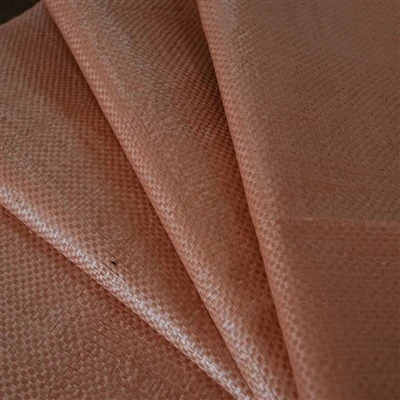
In this article, I’ll share the underlying causes of pattern fading and offer corresponding solutions to help you safeguard the patterns on our agricultural woven bags.
Understanding the Causes of Pattern Fading
Before jumping into solutions, it’s essential to understand why the patterns on agricultural woven bags fade in the first place. Several factors contribute to this issue, and I’ll break them down one by one.
1. Sunlight Exposure
Sunlight, specifically ultraviolet (UV) rays, is a culprit in pattern fading. Agricultural woven bags are often stored outdoors or transported under open – air conditions, exposing them to direct sunlight for extended periods. UV rays break down the chemical bonds in the dyes used to print the patterns, causing the colors to fade over time.
2. Chemical Exposure
Agricultural environments are filled with various chemicals such as fertilizers, pesticides, and herbicides. These chemicals can react with the dyes in the patterns on the bags. For example, some strong – acid or alkaline pesticides may corrode the dye, leading to color loss or fading. Even regular exposure to moisture in the air, which can carry dissolved pollutants, can have a gradual impact on the pattern’s integrity.
3. Mechanical Abrasion
During the handling, stacking, and transportation of agricultural woven bags, they are subject to mechanical abrasion. When the bags rub against each other or other rough surfaces, the outer layer of the pattern can wear off. For instance, if the bags are roughly loaded onto trucks or stacked in a way that causes excessive friction, the patterns will start to fade at the points of contact.
4. Poor Quality of Printing Materials
Sometimes, the root cause of pattern fading lies in the quality of the printing materials used. Low – quality inks may not adhere well to the woven bag surface or may lack the necessary stability to withstand environmental factors. Using sub – standard printing equipment can also result in uneven ink distribution, making the pattern more prone to fading.
Strategies to Protect Patterns from Fading
1. UV – Resistant Treatments
We recommend using UV – resistant additives in the inks during the printing process. These additives can significantly enhance the resistance of the pattern to UV rays. There are also special coatings available that can be applied to the surface of the printed bags. These coatings act as a shield, absorbing or reflecting UV rays before they reach the pattern.
For example, some of the advanced UV – resistant coatings can block up to 95% of the harmful UV rays. By incorporating these treatments into our production process, we can ensure that the patterns on the bags maintain their vibrancy for a longer time, even when exposed to sunlight.
2. Chemical – Resistant Printing
To protect the patterns from chemical damage, we use chemical – resistant inks. These inks are formulated to withstand the corrosive effects of common agricultural chemicals. Before the mass – production of printed bags, we conduct a series of chemical resistance tests. We expose the printed samples to different concentrations of fertilizers, pesticides, and herbicides to ensure that the patterns remain intact.
In addition, we can also provide customers with guidelines on how to store the bags in a chemical – free environment as much as possible. For example, if the bags are to be used in an area where chemicals are frequently sprayed, they should be covered or stored in a sealed container when not in use.
3. Anti – Abrasion Measures
To reduce the impact of mechanical abrasion, we can apply a protective layer on the surface of the printed bags. This layer can be a thin, transparent film that adds a smooth and durable surface to the bag. It reduces friction between the bags during handling and transportation.
We can also improve the packaging and handling processes. For example, we can use dividers between the bags when stacking them to minimize direct contact and friction. When loading the bags onto trucks, we can ensure that the loading is done gently to avoid rough handling.
4. High – Quality Printing Materials and Processes
Investing in high – quality inks and printing equipment is crucial. High – quality inks have better colorfastness and adhesion to the woven bag surface. They are more resistant to environmental factors and mechanical stress.
We use state – of the – art printing equipment that can accurately control the ink distribution and ensure a uniform pattern. During the printing process, we also implement strict quality control measures. We regularly check the printed bags to ensure that the patterns meet our high – quality standards. If any issues are detected, we immediately adjust the printing parameters to correct them.
Case Studies
Let me share a couple of case studies to illustrate the effectiveness of these measures.
Case 1: UV – Resistant Treatment
One of our customers, a large – scale agricultural cooperative, was facing the problem of pattern fading on their fertilizer bags. The bags were often left outdoors in the sunlight for long periods. We provided them with bags that were treated with a UV – resistant coating. After six months of use, they reported that the patterns on the bags still looked as vibrant as when they were first received. In contrast, the previous bags without the treatment showed significant fading after just three months.
Case 2: Chemical – Resistant Printing
Another customer, a pesticide manufacturer, was having issues with their product labels on the woven bags fading due to chemical exposure. We used chemical – resistant inks for their new batch of bags. After conducting in – house tests and real – world usage, the customer found that the patterns remained clear and intact, even after being in contact with their pesticides for an extended period.
Conclusion
In conclusion, protecting the pattern on agricultural woven bags from fading requires a comprehensive approach. By understanding the causes of fading and implementing strategies such as UV – resistant treatments, chemical – resistant printing, anti – abrasion measures, and using high – quality printing materials and processes, we can significantly extend the lifespan of the patterns on the bags.
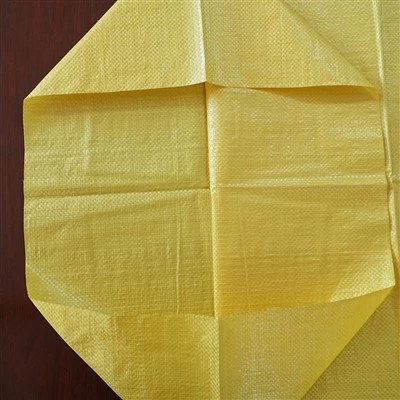
As a professional supplier of agricultural woven bags, we are committed to providing high – quality products with long – lasting patterns. Our products not only meet the practical needs of agriculture but also help enhance your brand image.
Industrial Woven Bags If you are interested in our agricultural woven bags or have any questions about pattern protection, we welcome you to contact us for further discussions and potential procurement. We look forward to working with you to find the best solutions for your packaging needs.
References
- "Handbook of UV Curing: Science and Technology", Ciba Speciality Chemicals Inc.
- "Textile Chemistry: Fundamentals and Applications", Wiley – Blackwell.
- "Environmental Chemistry in Agriculture", CRC Press.
Jining Shunxing Plastics Co., Ltd.
Jining Shunxing Plastics Co., Ltd. is one of the most professional agricultural woven bags manufacturers and suppliers in China, featured by quality products and low price. Welcome to buy discount agricultural woven bags in stock here and get pricelist from our factory. We also accept customized orders.
Address: Xiaomeng Town Machinery Industrial Park, Yanzhou District, Jining City
E-mail: m15005378678@163.com
WebSite: https://www.sxwovenbag.com/
