Hey there! I’m a supplier of stainless steel flexible hoses. You know, these hoses are pretty popular in various industries, from plumbing to automotive and even in some industrial setups. But a question that often comes up is, "Are there any environmental impacts of using a stainless steel flexible hose?" Let’s dig into this topic and see what’s what. Stainless Steel Flexible Hose
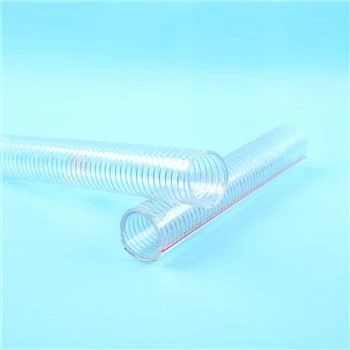
First off, let’s talk about the production of stainless – steel flexible hoses. Stainless steel is an alloy mainly composed of iron, chromium, and sometimes nickel and other elements. The production of stainless steel is energy – intensive. Mining the raw materials like iron ore, chromium, and nickel requires a lot of energy. Big machinery is used to extract these ores from the ground, and this machinery runs on fossil fuels in many cases. So, right from the start, there’s an environmental footprint in terms of greenhouse gas emissions due to energy consumption.
Once the raw materials are mined, they need to be refined. The refining process involves high – temperature furnaces. These furnaces burn a significant amount of fuel to reach the required temperatures for separating the pure metals from the ore. This again leads to a large amount of carbon dioxide and other pollutant emissions. For example, the production of one ton of stainless steel can emit several tons of carbon dioxide, depending on the production methods and the energy sources used.
But it’s not all doom and gloom. Stainless steel is an incredibly durable material. A stainless steel flexible hose can last for decades. Unlike some other types of hoses made from plastic or rubber, which may need to be replaced every few years, stainless steel hoses can withstand harsh conditions, high pressures, and extreme temperatures without deteriorating quickly. This means less waste in the long run. If you think about it, if you’re using a plastic hose that needs to be replaced every two years and a stainless steel hose that lasts for 20 years, you’re reducing the amount of waste going into landfills by a significant amount.
Another great thing about stainless steel is its recyclability. At the end of its long life, a stainless steel flexible hose can be recycled. In fact, stainless steel has one of the highest recycling rates among metals. Recycling stainless steel requires much less energy compared to producing it from raw materials. When we recycle stainless steel, we can reuse a large portion of the existing metal, which cuts down on the need for new mining and refining operations. This not only saves energy but also reduces the environmental impact associated with extracting new raw materials.
Now, let’s consider the use phase of stainless steel flexible hoses. In plumbing systems, for example, these hoses are often used to connect fixtures like sinks and toilets. They are leak – resistant, which means less water is wasted. Water is a precious resource, and preventing leaks is crucial for water conservation. A leaky hose can waste hundreds of gallons of water over time, but a stainless steel flexible hose maintains a tight seal and reduces the overall water consumption.
In industrial applications, these hoses are used to transport various fluids, including chemicals and gases. Stainless steel is resistant to corrosion, which means there’s less risk of leaks or spills of hazardous materials. Spills of chemicals can contaminate soil and water sources, causing long – term damage to the environment. By using stainless steel flexible hoses, industries can minimize the chance of such environmental disasters.
However, there are still some concerns during the use phase. Sometimes, the installation of stainless steel flexible hoses may require additional components like fittings and connectors. These components may be made from other materials that are not as environmentally friendly. Also, if the hoses are not installed correctly, they may still develop leaks over time, leading to resource waste.
When it comes to disposal, as I mentioned earlier, stainless steel is recyclable. But in some areas, the recycling infrastructure may not be well – developed. This means that some stainless steel flexible hoses may end up in landfills. And even if they are recyclable, the collection and transportation of these hoses to recycling facilities also consume energy and produce emissions.
So, to sum it all up, using stainless steel flexible hoses has both positive and negative environmental impacts. On one hand, their durability, recyclability, and leak – resistance are great for the environment in the long run. On the other hand, the energy – intensive production process and potential issues during installation and disposal need to be considered.
As a supplier, I’m always looking for ways to reduce the environmental impact of our products. We’re constantly researching and working with manufacturers to find more energy – efficient production methods. We also provide installation guides to ensure that our hoses are installed correctly, reducing the chance of leaks and waste.

If you’re in the market for stainless steel flexible hoses, whether it’s for a small plumbing project or a large – scale industrial application, I’d love to talk to you. We have a wide range of high – quality hoses that can meet your needs. Contact us to discuss your requirements and let’s work together to find the best solution while also being mindful of the environment.
Drilling Hose/ Rotary Hose References:
- "The Environmental Impact of Stainless Steel Production" – Journal of Metal Manufacturing
- "Recycling Rates of Metals: A Status Report" – International Recycling Journal
- "Water Conservation in Plumbing Systems" – Plumbing and Sanitation Research
Hebei Qianli Rubber Products Co., Ltd.
As one of the most professional stainless steel flexible hose manufacturers and suppliers in China, we have world-leading production equipment and strong manufacturing capabilities. Please feel free to buy bulk durable stainless steel flexible hose made in China here from our factory.
Address: West industrial Zone, Jing County, Hengshui City, Hebei Province, China.
E-mail: manager@hebeiqianli.com
WebSite: https://www.qianlirubber.com/
