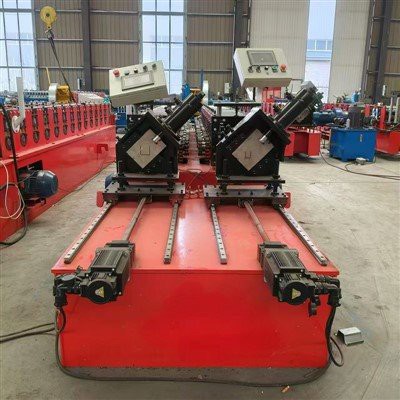
Cleaning a corrugated roof sheet making machine is a crucial maintenance task that ensures its optimal performance, extends its lifespan, and guarantees the quality of the produced roofing sheets. As a supplier of corrugated roof sheet making machines, I understand the importance of providing clear guidance on this process to our customers. In this blog, I will share a comprehensive guide on how to clean a corrugated roof sheet making machine effectively. Corrugated Roof Sheet Making Machine
Preparation
Before you start cleaning the machine, it is essential to take some preparatory steps to ensure your safety and the efficiency of the cleaning process.
Safety First
- Power Off: Always turn off the machine and unplug it from the power source to prevent any electrical accidents during the cleaning process.
- Wear Protective Gear: Put on safety glasses, gloves, and a dust mask to protect yourself from debris, dust, and cleaning chemicals.
Gather Cleaning Supplies
- Cleaning Agents: Choose a suitable cleaning agent based on the type of dirt and debris on the machine. For general cleaning, a mild detergent mixed with water can be effective. For stubborn stains or grease, you may need a specialized degreaser.
- Brushes and Scrapers: Use a variety of brushes, such as wire brushes, nylon brushes, and soft-bristled brushes, to clean different parts of the machine. Scrapers can be used to remove stubborn dirt and debris.
- Rags and Towels: Have plenty of clean rags and towels on hand to dry the machine after cleaning.
Inspect the Machine
- Check for Damage: Before cleaning, inspect the machine for any signs of damage, such as loose parts, leaks, or worn-out components. If you find any issues, address them before proceeding with the cleaning.
- Remove Loose Debris: Use a vacuum cleaner or a compressed air gun to remove any loose debris, such as dust, dirt, and metal shavings, from the machine.
Cleaning the Exterior
The exterior of the corrugated roof sheet making machine is exposed to dust, dirt, and other contaminants. Cleaning the exterior not only improves the machine’s appearance but also prevents the accumulation of dirt that can affect its performance.
Wipe Down the Machine
- Dampen a Rag: Dip a clean rag in a solution of mild detergent and water.
- Wipe the Surface: Gently wipe the exterior of the machine, including the frame, panels, and control console, to remove dirt and grime. Pay special attention to areas that are prone to dirt accumulation, such as corners and edges.
- Dry the Surface: Use a dry rag to dry the surface of the machine to prevent water spots and rust.
Clean the Control Console
- Use a Soft Brush: Use a soft-bristled brush to remove dust and debris from the control console. Be careful not to damage the buttons and switches.
- Wipe with a Damp Cloth: Dampen a clean cloth with a mild cleaning solution and gently wipe the control console to remove any remaining dirt.
- Dry the Console: Use a dry cloth to dry the control console to prevent moisture damage.
Cleaning the Working Parts
The working parts of the corrugated roof sheet making machine, such as the rollers, cutters, and conveyor belts, are critical for its operation. Cleaning these parts regularly helps to maintain their performance and prevent wear and tear.
Clean the Rollers
- Remove the Rollers: Depending on the machine’s design, you may need to remove the rollers to clean them thoroughly. Follow the manufacturer’s instructions for removing the rollers safely.
- Inspect the Rollers: Check the rollers for any signs of damage, such as scratches, dents, or wear. If you find any issues, replace the damaged rollers.
- Clean the Rollers: Use a wire brush or a nylon brush to remove dirt, debris, and rust from the surface of the rollers. You can also use a degreaser to clean stubborn grease and oil.
- Lubricate the Rollers: After cleaning, apply a thin layer of lubricant to the rollers to reduce friction and prevent corrosion.
- Reinstall the Rollers: Carefully reinstall the rollers according to the manufacturer’s instructions.
Clean the Cutters
- Remove the Cutters: Similar to the rollers, you may need to remove the cutters to clean them. Follow the manufacturer’s instructions for removing the cutters safely.
- Inspect the Cutters: Check the cutters for any signs of damage, such as dull blades or chips. If you find any issues, sharpen or replace the cutters.
- Clean the Cutters: Use a wire brush or a nylon brush to remove dirt, debris, and rust from the surface of the cutters. You can also use a degreaser to clean stubborn grease and oil.
- Lubricate the Cutters: After cleaning, apply a thin layer of lubricant to the cutters to reduce friction and prevent corrosion.
- Reinstall the Cutters: Carefully reinstall the cutters according to the manufacturer’s instructions.
Clean the Conveyor Belts
- Stop the Conveyor Belt: Turn off the machine and stop the conveyor belt before cleaning.
- Remove Loose Debris: Use a vacuum cleaner or a compressed air gun to remove any loose debris, such as dust, dirt, and metal shavings, from the conveyor belt.
- Clean the Conveyor Belt: Use a mild detergent and water to clean the conveyor belt. You can also use a soft-bristled brush to scrub the belt gently.
- Rinse the Conveyor Belt: Use clean water to rinse the conveyor belt thoroughly to remove any remaining detergent.
- Dry the Conveyor Belt: Use a dry cloth or a fan to dry the conveyor belt completely before restarting the machine.
Cleaning the Hydraulic System
The hydraulic system of the corrugated roof sheet making machine is responsible for providing the power and control needed for its operation. Cleaning the hydraulic system helps to maintain its performance and prevent damage.
Check the Hydraulic Fluid
- Inspect the Fluid Level: Check the hydraulic fluid level in the reservoir. If the fluid level is low, add the recommended hydraulic fluid according to the manufacturer’s instructions.
- Check the Fluid Condition: Inspect the hydraulic fluid for any signs of contamination, such as dirt, debris, or water. If the fluid is contaminated, drain the old fluid and replace it with new fluid.
Clean the Hydraulic Filters
- Locate the Filters: Locate the hydraulic filters in the machine. They are usually located near the hydraulic pump or the reservoir.
- Remove the Filters: Follow the manufacturer’s instructions for removing the hydraulic filters safely.
- Clean or Replace the Filters: Depending on the type of filter, you can either clean it with a suitable cleaning agent or replace it with a new filter.
- Reinstall the Filters: Carefully reinstall the hydraulic filters according to the manufacturer’s instructions.
Cleaning the Electrical System
The electrical system of the corrugated roof sheet making machine is responsible for providing the power and control needed for its operation. Cleaning the electrical system helps to prevent electrical malfunctions and ensure the machine’s safety.
Inspect the Electrical Components
- Check for Damage: Inspect the electrical components, such as wires, connectors, and switches, for any signs of damage, such as frayed wires, loose connections, or burnt components. If you find any issues, repair or replace the damaged components.
- Clean the Electrical Components: Use a dry cloth or a compressed air gun to remove dust and debris from the electrical components. Be careful not to damage the components.
Check the Grounding
- Inspect the Grounding Wire: Check the grounding wire to ensure it is properly connected and in good condition. A proper grounding system helps to prevent electrical shocks and protect the machine from electrical damage.
Post-Cleaning Inspection
After cleaning the corrugated roof sheet making machine, it is important to perform a post-cleaning inspection to ensure that the machine is in good working condition.
Check the Machine’s Operation
- Power On the Machine: Turn on the machine and check its operation. Make sure all the components are working properly and there are no abnormal noises or vibrations.
- Test the Machine: Run a test cycle on the machine to produce a few roofing sheets. Check the quality of the sheets to ensure that the machine is producing them correctly.
Lubricate the Moving Parts
- Apply Lubricant: Apply a thin layer of lubricant to the moving parts of the machine, such as the rollers, cutters, and conveyor belts, to reduce friction and prevent wear and tear.
Store the Cleaning Supplies
- Clean and Store the Supplies: Clean the cleaning supplies, such as brushes, rags, and cleaning agents, and store them in a safe place for future use.
Conclusion

Cleaning a corrugated roof sheet making machine is an important maintenance task that ensures its optimal performance, extends its lifespan, and guarantees the quality of the produced roofing sheets. By following the steps outlined in this blog, you can clean your corrugated roof sheet making machine effectively and keep it in good working condition.
Glazed Tile Roll Forming Machine If you have any questions or need further assistance with cleaning your corrugated roof sheet making machine, please do not hesitate to contact us. We are a leading supplier of corrugated roof sheet making machines, and our team of experts is always ready to provide you with the support and guidance you need. Whether you are looking to purchase a new machine or need help with maintenance and cleaning, we are here to help.
References
- Manufacturer’s manual of the corrugated roof sheet making machine
- Industry best practices for machine cleaning and maintenance
Botou Shengda Cold Forming Machinery Equipment Manufacturing Co., Ltd.
As one of the most professional corrugated roof sheet making machine manufacturers and suppliers in China, we’re featured by quality products and good price. Please rest assured to buy durable corrugated roof sheet making machine made in China here from our factory. Contact us for more details.
Address: Liuxin Village, Botou Town, Botou City, Cangzhou City, Hebei Province
E-mail: cangzhoushengda888@163.com
WebSite: https://www.sdrfm.com/
