Hey there! I’m a supplier in the compact hydraulics game, and I’ve seen firsthand how crucial it is to optimize the performance of these systems. Compact hydraulics are used in a wide range of applications, from construction equipment to industrial machinery, and getting the most out of them can make a huge difference in efficiency and productivity. So, let’s dive into some tips on how to optimize the performance of compact hydraulics. Compact Hydraulics
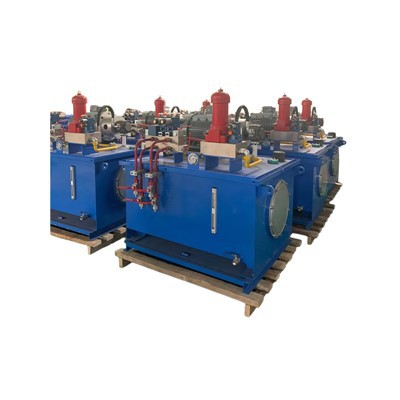
1. Choose the Right Components
First things first, selecting the right components is key. When you’re putting together a compact hydraulic system, you need to make sure that all the parts work well together. This means choosing pumps, valves, cylinders, and hoses that are designed to handle the specific requirements of your application.
For example, if you’re working on a small construction machine, you’ll need a pump that can deliver the right amount of pressure and flow. A high – pressure pump might be overkill and waste energy, while a low – pressure pump might not be able to do the job. So, do your research and pick components that are sized and rated correctly.
Also, consider the quality of the components. Cheaper parts might seem like a good deal at first, but they can end up costing you more in the long run. High – quality components are more reliable, have a longer lifespan, and are less likely to break down.
2. Proper Installation
Once you’ve got the right components, proper installation is crucial. A poorly installed compact hydraulic system can lead to all sorts of problems, like leaks, reduced efficiency, and even system failure.
Make sure that all the connections are tight and secure. Loose connections can cause hydraulic fluid to leak, which not only wastes fluid but can also lead to a loss of pressure. Use the right tools and follow the manufacturer’s instructions when installing components.
Also, pay attention to the routing of hoses. Hoses should be routed in a way that avoids sharp bends and kinks, as these can restrict the flow of hydraulic fluid and reduce system performance.
3. Regular Maintenance
Regular maintenance is essential for keeping your compact hydraulic system running at its best. This includes checking the hydraulic fluid level and quality regularly. Hydraulic fluid acts as a lubricant, coolant, and power – transmitting medium, so it’s important to keep it in good condition.
Change the hydraulic fluid at the recommended intervals. Over time, the fluid can break down and become contaminated with dirt, debris, and moisture. Contaminated fluid can cause wear and tear on components and reduce system efficiency.
Inspect the hoses, fittings, and seals for signs of wear or damage. Replace any worn or damaged parts immediately to prevent leaks and other problems.
4. Optimize System Pressure
Finding the right system pressure is crucial for optimizing the performance of compact hydraulics. Too much pressure can put unnecessary stress on components, leading to premature wear and tear. On the other hand, too little pressure can result in poor performance and reduced efficiency.
Use pressure gauges to monitor the system pressure and adjust it as needed. You can also use pressure relief valves to prevent the system from exceeding the maximum pressure limit.
5. Temperature Control
Hydraulic systems generate heat during operation, and excessive heat can cause problems. High temperatures can cause the hydraulic fluid to break down more quickly, reduce the viscosity of the fluid, and damage seals and other components.
To control the temperature of your compact hydraulic system, use a cooler. There are different types of coolers available, such as air – cooled and water – cooled. Choose the one that’s best suited for your application.
Also, make sure that the system has proper ventilation to allow heat to dissipate.
6. Training and Operator Awareness
The people who operate the equipment with compact hydraulic systems play a big role in their performance. Make sure that operators are properly trained on how to use the equipment and understand the importance of proper maintenance.
Operators should be aware of the signs of potential problems, such as unusual noises, vibrations, or leaks. They should also know how to perform basic maintenance tasks, like checking the fluid level and inspecting hoses.
7. System Monitoring
Using a monitoring system can help you keep track of the performance of your compact hydraulic system. There are various sensors available that can measure parameters such as pressure, temperature, flow rate, and fluid level.
By monitoring these parameters, you can detect potential problems early and take corrective action before they turn into major issues. This can save you time and money in the long run.
8. Upgrade and Retrofit
As technology advances, there are often new and improved components available for compact hydraulic systems. Consider upgrading or retrofitting your system to take advantage of these new technologies.
For example, there are more efficient pumps and valves that can improve the performance of your system. Upgrading to these components can result in better energy efficiency, reduced maintenance, and improved overall performance.
9. Customization
Every application is different, and sometimes off – the – shelf solutions might not be the best fit. Consider customizing your compact hydraulic system to meet the specific requirements of your application.
This could involve designing a custom pump, valve, or cylinder that is optimized for your particular needs. Customization can lead to better performance and a more efficient system.
10. Collaboration with Experts
If you’re not sure how to optimize the performance of your compact hydraulic system, don’t hesitate to collaborate with experts. There are many hydraulic engineers and technicians who have a lot of experience in this field.
They can help you design, install, and maintain your system, and provide valuable advice on how to improve its performance.
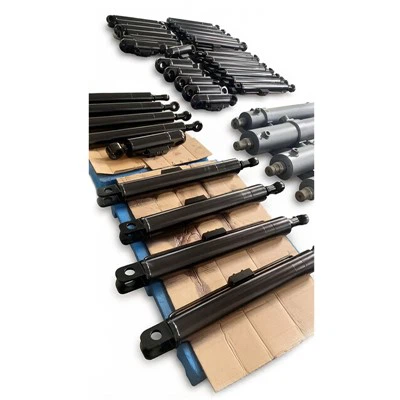
In conclusion, optimizing the performance of compact hydraulics requires a combination of choosing the right components, proper installation, regular maintenance, and smart system management. By following these tips, you can ensure that your compact hydraulic system runs efficiently, reliably, and for a long time.
Welded Hydraulic Cylinder If you’re interested in learning more about compact hydraulics or are looking to purchase high – quality compact hydraulic components, feel free to reach out. We’re here to help you get the most out of your hydraulic systems.
References
- "Hydraulic Systems and Fluid Power: Theory and Applications" by Fred E. Merritt
- "Fluid Power Technology" by David Crolla
Wuhu Zhongye Fluid Equipment Co., Ltd.
We are one of the most experienced compact hydraulics manufacturers and suppliers in China, specialized in providing high quality customized products. Please feel free to wholesale bulk durable compact hydraulics in stock here from our factory. Contact us for quotation.
Address: No. 2, Hexing Road, Sanshan District, Wuhu City, Anhui Province
E-mail: zhongyehydro20@163.com
WebSite: https://www.zhongyehydro.com/
